

Shanghai, China: 2026 Business Aviation Destination Guide

For more detailed information on specific destinations and regulations within China, please visit our articles on:
Key Planning Takeaways
Shanghai is not a permit-driven destination. It is a timing and parking-driven destination.
At Hongqiao (ZSSS), GA parking is limited and often confirmed late. At Pudong (ZSPD), operating hours are broader but structured, including a GA takeoff restriction between 0700 and 0900 local.
The most common issues operators encounter in Shanghai are not regulatory denials. They are planning assumptions:
- Misreading parking availability at ZSSS
- Assuming short international turns avoid CIQ
- Finalizing passenger schedules before parking and documentation are secured
If your mission cannot tolerate parking confirmation inside 24 hours of arrival, Shanghai requires a different strategy from the beginning.
“Shanghai is not a difficult destination,” says Ricky Fang of Universal Aviation China. “But it is a planning destination. If you treat parking and slots as automatic, you will encounter friction.”
Why Shanghai Tightens Missions
Shanghai’s operating environment is structured and consistent. The rules are clear. The challenge comes when parking, slots, and documentation timelines begin to compress against each other.
The mistake is not misunderstanding the rules. It is assuming flexibility that does not exist.
Once parking confirmation is delayed and CIQ deadlines are fixed, schedule freedom narrows quickly. That is when missions become difficult.
The Biggest Operational Mistake: Misreading Parking at ZSSS
The most frequent mistake operators make when planning Shanghai is assuming that visible ramp space equals available GA parking.
At ZSSS, GA designated stands are limited. Many apron positions that appear open are allocated to commercial operations and may fill later in the day. ZSSS also serves as a diversion airport for nearby airports, which adds volatility to stand allocation.
Operators sometimes question how parking can be reported as congested while they see unoccupied stands. The explanation is allocation control, not physical capacity.
Overnight parking at ZSSS is the primary operational constraint. Confirmation is commonly issued within 24 hours of arrival and, at times, only hours before operation.
If a principal expects guaranteed overnight parking three days in advance at Hongqiao, the safer strategy may be to plan around Pudong instead.
“The limiting factor is rarely the permit,” Fang explains. “It is parking confirmation timing.”
The Assumption That Creates Avoidable Delays
A recurring incorrect assumption is that a short international quick turn avoids CIQ processing. It does not.
For international arrivals at both Shanghai airports, a CIQ officer boards the aircraft before passengers are transported. Clearance applies regardless of duration.
At ZSPD, crew and passenger details must be finalized by 0400Z the day prior to operation. Amendments after that deadline are generally not accepted.
This is where otherwise smooth missions begin to tighten. A late crew change combined with a fixed departure slot and uncertain parking leaves little room to maneuver.
Shanghai rewards early documentation discipline. It does not reward last-minute adjustments.
What Actually Causes Missions to Become Difficult
When Shanghai trips experience friction, the permit is rarely the issue.
Operational difficulty most often stems from timing misalignment:
- Parking confirmed late while passenger schedules remain fixed
- CIQ data amended after the 0400Z deadline
- Larger aircraft assigned stands that do not accommodate their footprint
- Morning departure plans conflicting with the 0700 to 0900 GA takeoff restriction
These are not unusual situations. They are predictable ones.
The operators who experience consistent outcomes are those who plan around parking confirmation timing rather than assuming it.
Hongqiao (ZSSS): Close to Downtown, Strictly Managed
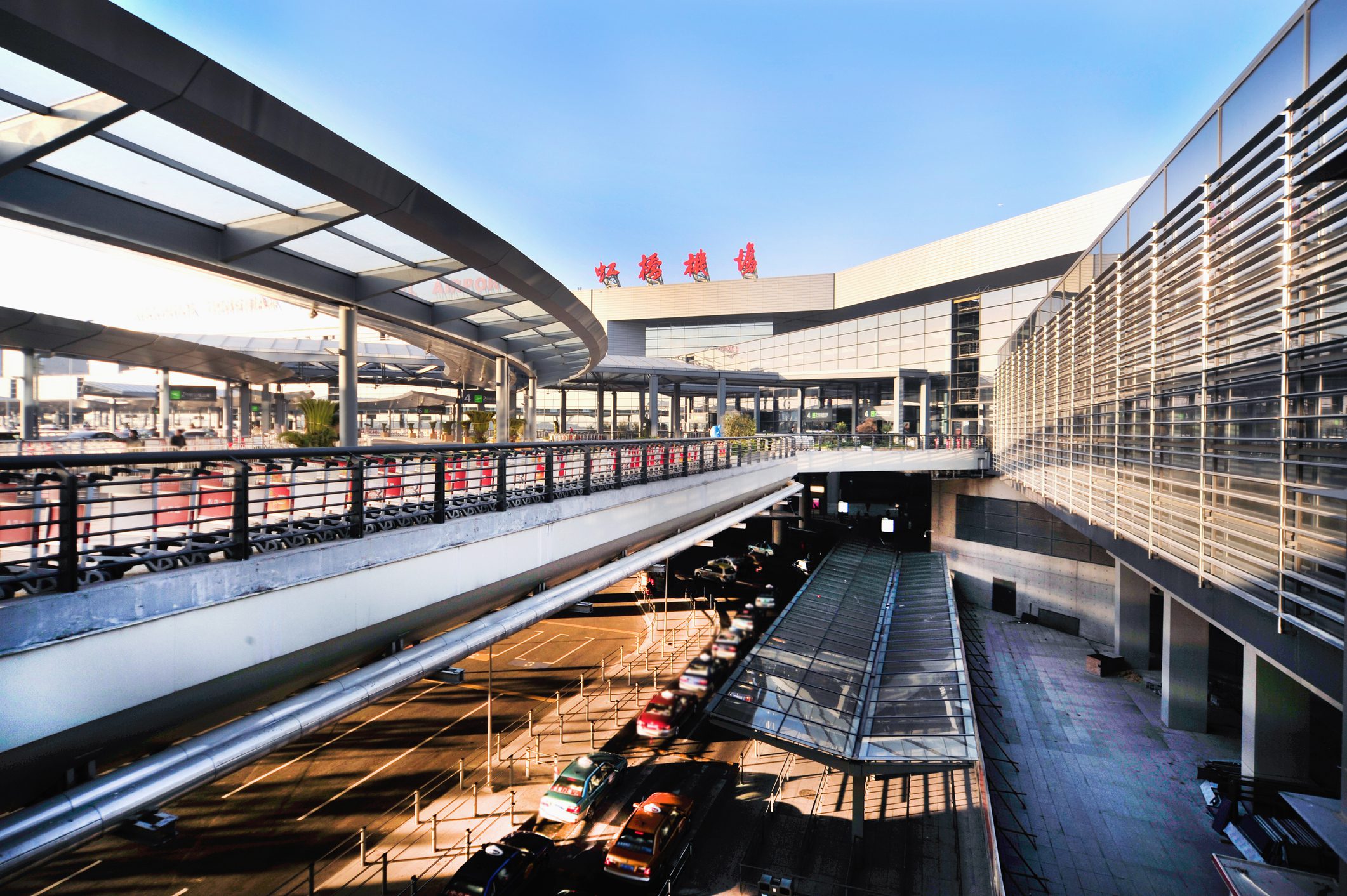
Hongqiao Airport.
ZSSS is approximately seven miles from downtown and offers a dedicated FBO with integrated CIQ processing.
Operational constraints include:
- Runway curfew from 0001 to 0600 local
- No GA takeoffs between 0700 and 0900 local
- Peak slot pressure between 0900 and 2200 local
- CIQ operating hours from 0800 to 2200 local
Two movements during peak periods are possible, but they should be planned early.
Larger aircraft such as Global 7000 and 7500 types may face stand size limitations. If ramp parking is unavailable, hangar placement may be required if space permits. ZSSS maintains a GA exclusive hangar that can sometimes allow earlier parking confirmation.
Ramp safety enforcement is strict. Aircraft must stop within designated ground markings. Exceeding those markings requires repositioning.
ZSSS is preferred for proximity when parking is secured. It should not be treated as guaranteed.
Pudong (ZSPD): Structured and Often More Predictable
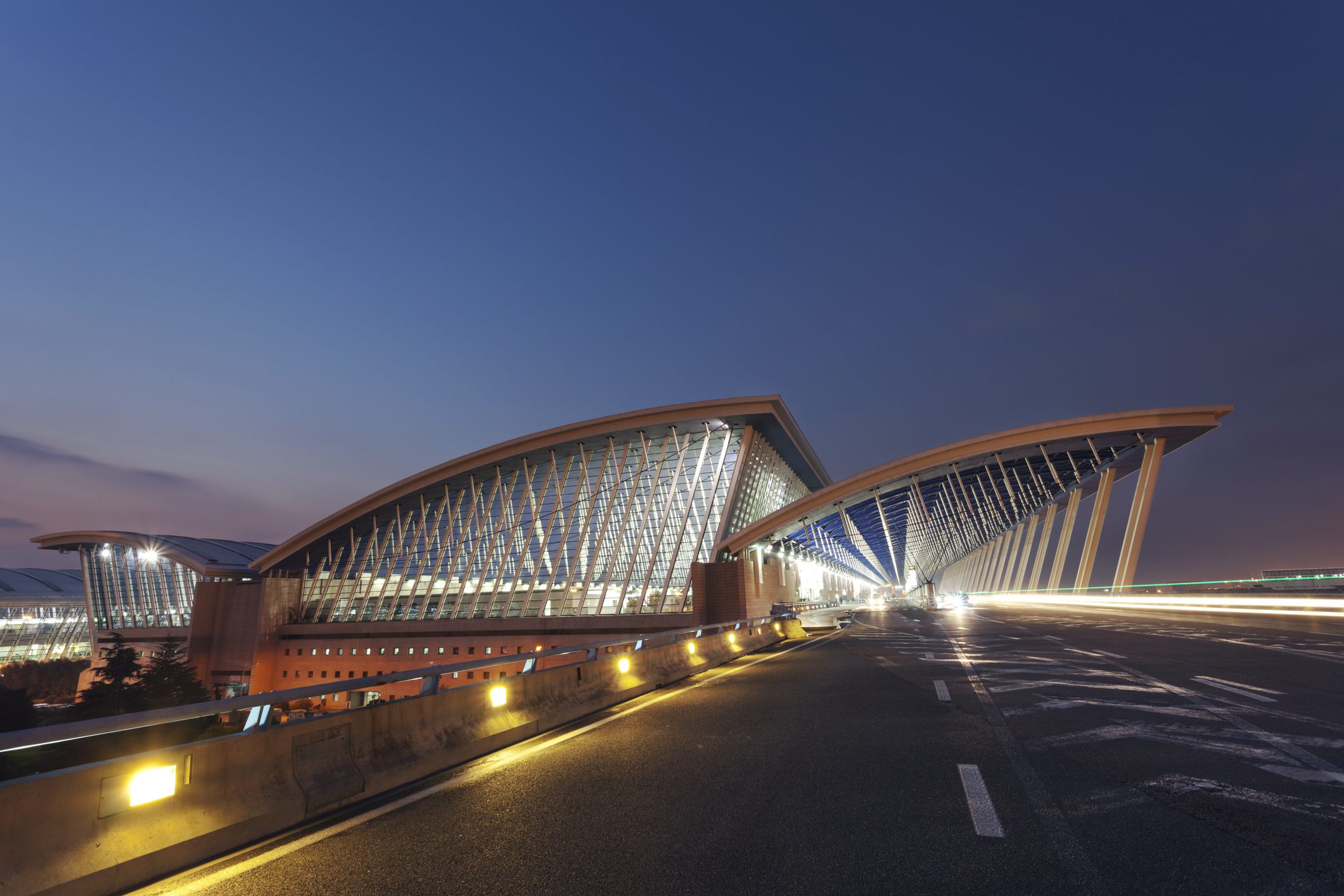
Shanghai Pudong International Airport.
ZSPD operates 24 hours and is approximately 20 miles from downtown. Ground transport may require up to an hour depending on traffic.
GA takeoffs are not accepted between 0700 and 0900 local. Outside that window, slots are required but typically obtainable with two to three days of lead time during standard traffic periods. Slots are confirmed in UTC and are valid minus zero to plus 30 minutes.
Late night GA movements between 2359 and 0700 local are operationally possible but not recommended due to reduced staffing and increased delay risk.
Parking is generally more flexible than at ZSSS, but larger aircraft should still verify stand compatibility early.
ZSPD does not operate a dedicated FBO. Passengers clear CIQ at the VVIP H facility, and crew process through the main terminal.
For operators who prioritize predictability over proximity, Pudong can be the more stable option.
CIQ and Technical Stop Planning
For international arrivals, CIQ procedures apply at both airports.
At ZSPD, crew and passenger details must be finalized by 0400Z the day prior to operation. Amendments after that deadline are typically not accepted.
International technical stops may require full CIQ clearance. Visa exemptions must be requested at least 48 hours prior to arrival and are subject to review based on aircraft registration and crew and passenger nationalities. Stops under 24 hours may qualify for visa free processing if approved in advance.
Documentation timelines in Shanghai should be treated as firm.
Parking Strategy and Alternates
Parking demand at both Shanghai airports remains high. Operators planning multi day stays or operating during peak corporate travel periods should assume parking constraints until confirmation is received.
Common repositioning alternates include:
- Nanjing (ZSNJ)
- Hangzhou (ZSHC)
Both airports typically offer more flexible parking and slot environments and are frequently used when Shanghai parking is unavailable.
“Shanghai is manageable when parking flexibility is built into the mission from the beginning,” Fang says.
The operators who experience the fewest surprises are those who treat alternates as part of the original plan rather than a backup reaction.
Ground Handling
Both ZSSS and ZSPD are equipped to support most business aviation aircraft types. Standard ground handling services are available at both airports. Operators should confirm aircraft-specific equipment requirements in advance, particularly for larger cabin aircraft.
Catering
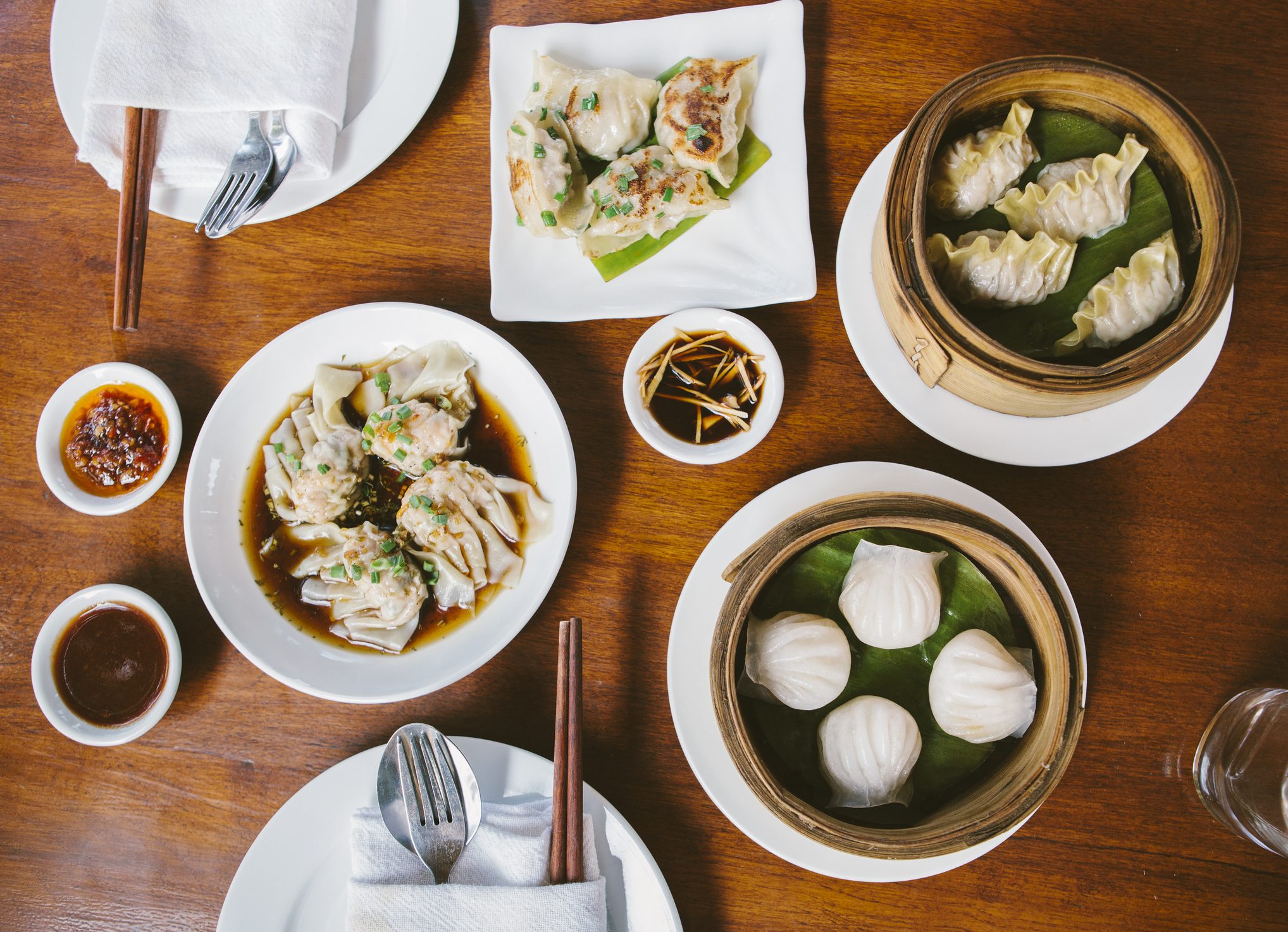
In-flight catering is available from approved airport and off-airport providers. A minimum of 24 to 48 hours’ notice is recommended. Special dietary requests or international sourcing may require additional lead time.
Ground Transportation
 Pre-arranged car and driver services are strongly recommended. Rental vehicles are not available on-airport. Local taxis are not advised due to language limitations and access control. Private vehicle airside access is not permitted except for approved air ambulance operations.
Conclusion
Shanghai is a disciplined operating environment. It is not unpredictable, but it is unforgiving of loose planning.
The permit is rarely the constraint. Parking confirmation timing, slot structure, and documentation deadlines are.
Operators who approach Shanghai with schedule flexibility, early data finalization, and realistic parking expectations experience consistent and controlled outcomes.
Shanghai rewards preparation. It does not reward assumption.
If you’re planning a mission to Shanghai, Universal Aviation China can help.