
2026 Formula 1 at Sepang: Kuala Lumpur business aviation planning guide
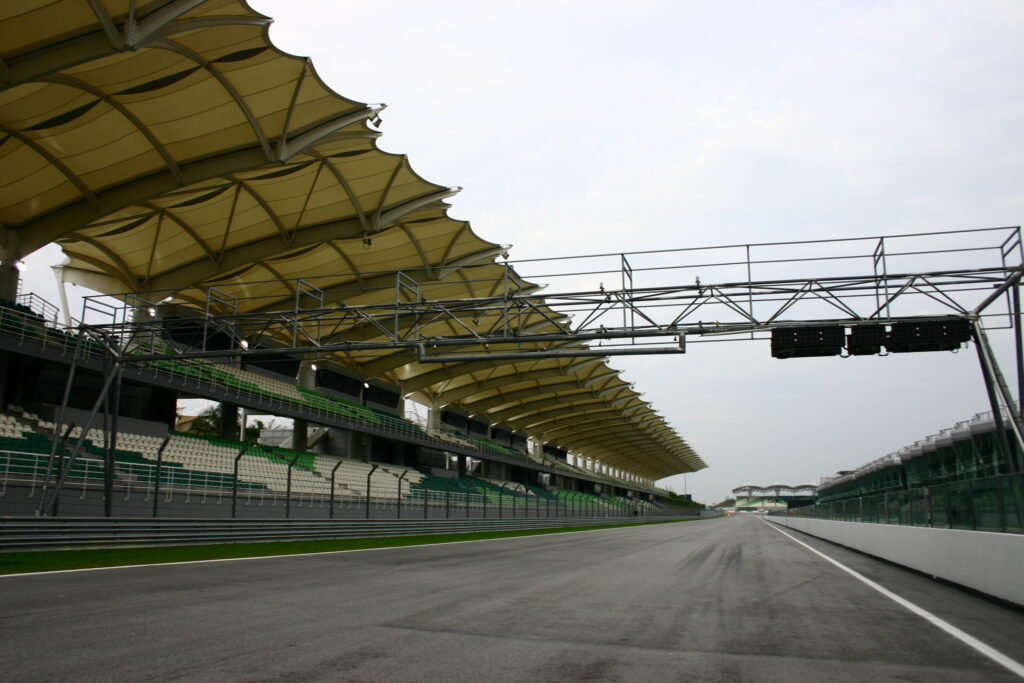
Formula 1 returns to Malaysia Oct. 2-4, 2026, at Sepang International Circuit, bringing increased commercial and general aviation traffic to the Kuala Lumpur area.
For business aviation operators, the main planning decision is not simply whether to use Kuala Lumpur International Airport (WMKK) or Sultan Abdul Aziz Shah Airport (WMSA). The more useful question is where passengers should arrive and where the aircraft should remain during the event.
According to SkyPark FBO Malaysia, an Air Elite® by World Fuel location, WMKK offers the best access to the circuit, while WMSA provides the more business aviation-oriented environment for aircraft parking and support.
What operators need to know
- WMKK is closer to Sepang International Circuit and is SkyPark’s recommended passenger arrival airport for Formula 1 traffic.
- Overnight parking at WMKK is subject to commercial airline movements, parking availability and slot approval.
- If overnight parking at WMKK cannot be secured, operators can consider dropping passengers at WMKK and repositioning to WMSA.
- Both airports require landing permits and slots.
- CAAM requests three business days to review flight permit applications. Short-notice approval is subject to authority discretion.
- WMSA is specifically configured for corporate aviation but can experience parking shortages, making early booking important.
- SkyPark is already receiving Formula 1-related requests from trip support providers.
- CIQ is not currently expected to be a major event-specific constraint.
Which airport is best for business aviation operators attending the race?

Kuala Lumpur International Airport
For passengers headed directly to Sepang International Circuit, WMKK has the clear geographic advantage.
“WMKK is the most convenient arrival airport for Formula 1 passengers because it is closer to the circuit,” said Hariss Abdullah, general manager of SkyPark FBO Malaysia. “If overnight parking is available, the aircraft can remain at WMKK with the required slot approval. Otherwise, it can reposition to WMSA for parking.”
That creates a practical two-airport strategy.
WMKK is primarily configured around commercial airline traffic rather than corporate aviation. Current operating guidance notes that there is no dedicated VIP processing lane and recommends WMSA for corporate aircraft under normal operating circumstances.
For this event, however, the proximity of WMKK to Sepang changes the calculation. Operators may find it more efficient to use WMKK for passenger arrival and departure while making the aircraft parking decision separately.
A common planning mistake would be assuming the aircraft must remain at the same airport used by the passengers. During Formula 1 weekend, separating the passenger-access decision from the overnight-parking decision may provide more flexibility.
What are the operating requirements at WMKK?

SkyPark FBO Malaysia is an Air Elite® by World Fuel location at Sultan Abdul Aziz Shah Airport (WMSA). SkyPark operates a dedicated Business Aviation Centre at WMSA and provides aircraft ground handling support at airports throughout Malaysia, including WMKK.
Landing permits and slots are required at WMKK.
CAAM requests three business days to review flight permit applications, while short-notice approvals remain subject to authority discretion.
Slots are required for arrivals and departures. Operators should therefore avoid building the passenger itinerary around an unconfirmed schedule, particularly during a weekend when commercial and general aviation movements are expected to increase.
SkyPark expects overnight parking to be possible in some cases but subject to commercial airline activity, slot availability and airport capacity.
“We will be working to provide the best possible availability for overnight parking and layovers at both airports,” Abdullah said. “We are already receiving requests from trip support providers, so we encourage operators to book early.”
What if overnight parking at WMKK is unavailable?
WMSA provides the primary business aviation alternative.
SkyPark operates its Business Aviation Centre at WMSA, with dedicated corporate aviation facilities, secured apron and hangar parking, ground support equipment, maintenance-related support and on-site CIQ capabilities. SkyPark also provides ground handling support at WMKK and airports throughout Malaysia.
“WMSA is a business and general aviation airport with overnight parking, maintenance support and ground support equipment for private jets,” Abdullah said.
For an aircraft that cannot remain at WMKK, the operating sequence may be:
- Arrive at WMKK and drop passengers near Sepang.
- Reposition the aircraft to WMSA.
- Park at WMSA during the event.
- Return to WMKK for passenger pickup if required.
The reposition should be planned from the beginning rather than treated as a last-minute contingency. Waiting until parking at WMKK is denied can leave the operator trying to secure WMSA capacity after event traffic has already increased.
Is WMSA the easier option for corporate aviation?
WMSA is better configured for corporate aviation, but that does not mean operators can assume parking or schedule flexibility will be available.
Landing permits and airport slots are required. Current operating guidance calls for slot requests to be submitted at least 72 hours before scheduled arrival, and slot approval is used as supporting documentation for the Malaysia flight permit.
Schedule changes may also require slot reconfirmation, so operators should avoid unnecessary last-minute changes.
Parking is another consideration. Current operational information notes that WMSA can experience overnight parking shortages and that an airport regeneration project is limiting available parking bays.
This aligns with SkyPark‘s recommendation to book early rather than assuming WMSA will provide unlimited overflow capacity during Formula 1 weekend.
What aircraft limitations should operators consider at WMSA?
WMSA is designed to accommodate aircraft of all sizes, but larger aircraft require additional consideration.
SkyPark FBO is able to support ground service equipment and facilities for large aircraft.
Refueling is available 24 hours.
SkyPark’s company profile identifies its WMSA operation as a dedicated Business Aviation Centre with its own GSE, secured parking, hangar facilities, Jet A1 support and integrated CIQ.
Will CIQ be a constraint?
SkyPark does not currently expect CIQ to be a significant Formula 1-specific constraint.
WMSA’s Business Aviation Centre includes on-site customs, immigration, quarantine and security screening facilities.
Operators should still coordinate CIQ against the specific passenger schedule and allow for normal security procedures.
At WMSA, ramp access for passenger pickup and drop-off requires appropriate ramp passes and vehicle permits, and ground transportation entering the airside area is subject to inspection.
Are Formula 1-specific restrictions expected?
SkyPark has not identified any Formula 1-specific temporary operating restrictions at this stage.
Both airports operate 24 hours, but operators should continue monitoring NOTAMs, parking controls, slot requirements and other temporary procedures as the event approaches.
The more immediate issue is capacity.
“Both airports will have to manage the surge in commercial and general aviation movements during this period,” Abdullah said.
What is the best planning strategy?
Do not treat passenger arrival and aircraft parking as the same decision.
For passengers attending the race, WMKK offers the advantage of proximity to Sepang. If overnight parking is available and approved, the aircraft may remain there.
If parking becomes constrained, WMSA offers the more business aviation-oriented environment for the aircraft, provided slots, parking and aircraft-specific requirements can be accommodated.
The basic strategy is:
WMKK passenger arrival → remain at WMKK if parking is approved → reposition to WMSA if necessary.
With Formula 1 traffic already generating handling requests, operators should secure permits, slots, handling and parking early and maintain flexibility around the aircraft’s overnight location.