


F1 Belgian Grand Prix 2026: Business Aviation Guide

The 2026 Formula 1 Belgian Grand Prix takes place July 17-19 at Circuit de Spa-Francorchamps in Belgium’s Ardennes region. For business aviation operators, Spa is not difficult because of one single restriction. It is difficult because airport parking, PPR feasibility, hotel compression, road access, and circuit-area ground transport all tighten at the same time.
The primary planning decision is whether to prioritize proximity to the circuit or schedule control. Liège (EBLG) is typically the most practical airport for access to Spa-Francorchamps. Brussels (EBBR) offers more hotel depth and major-airport infrastructure, but it also carries stricter airport coordination, noise, and schedule-planning considerations.
Executive Summary
- The 2026 Belgian Grand Prix runs July 17-19 at Circuit de Spa-Francorchamps.
- Liège (EBLG) should usually be evaluated first for operators prioritizing proximity to the circuit.
- Brussels (EBBR) may be better for operators who need stronger hotel inventory, airline connectivity, or major-airport infrastructure, but slot, noise, and PPR applicability should be reviewed early.
- Brussels weekend-night slot rules can affect late-night race-weekend departures, especially after Saturday or Sunday track activity.
- Circuit-area transport is a real constraint. Official parking is controlled, overnight parking is not permitted, and the event does not offer a kiss-and-ride area.
- Operators should avoid building a tight Sunday departure unless aircraft parking, PPR feasibility, passenger transport, crew duty, fuel, catering, and CIQ are all confirmed.
Key Planning Questions
What is the best airport for the Belgian Grand Prix?
Liège (EBLG) is usually the preferred airport for proximity to Spa-Francorchamps. Brussels (EBBR) may be a better fit when passengers need hotel depth, city infrastructure, or airline connections. Charleroi (EBCI) may be worth validating as a contingency, but operators should confirm operating hours, handling, CIQ, parking, fuel, and transport before relying on it.
Are there special 2026 Belgian Grand Prix aviation restrictions?
As of this update, no event-specific aviation restriction was identified in the sources reviewed. Operators should still monitor NOTAMs, airport advisories, and handler updates as the event approaches.
Can operators plan a late-night departure from Brussels after the race?
Only after airport feasibility is reviewed. Brussels has weekend-night slot limitations and aircraft noise restrictions that can affect late-night departures. Do not commit to a passenger schedule until the aircraft’s noise profile, slot availability where applicable, PPR requirements, and departure timing have been checked.
Is ground transport to Spa-Francorchamps straightforward?
No. Spa-Francorchamps is a rural circuit with controlled access, heavy traffic, and limited pickup/drop-off flexibility. Pre-arranged chauffeured transport is strongly preferred over rental cars, especially for VIP passenger movements.
Airport Options for the Belgian Grand Prix
Liège (EBLG)
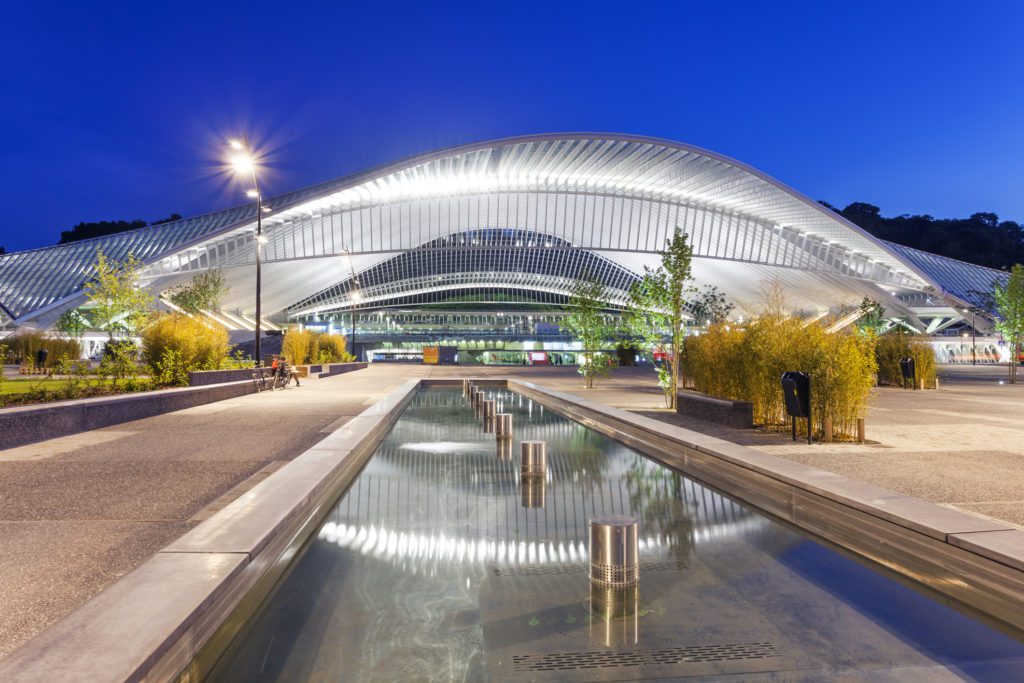
Liège is typically the most practical airport for Belgian Grand Prix operations because of its proximity to Spa-Francorchamps. It is generally the first airport operators should evaluate when the priority is minimizing drive time to the circuit.
Operational considerations to confirm:
- Airport operating hours
- PPR requirements or event-period procedures
- Aircraft parking availability
- Ground handling capacity
- Jet A-1 availability
- In-flight catering options
- CIQ arrangements based on routing
Liège should not be treated as a casual last-minute option simply because it is close. During Grand Prix week, the limiting factor may not be whether the airport can physically accept the aircraft. The limiting factor may be whether parking, PPR feasibility, crew accommodation, passenger transport, catering, fuel uplift, and departure timing can all be aligned.
Best use case: Operators who want the closest practical airport to Spa-Francorchamps and can secure services early.
Primary risk: Assuming proximity solves the whole trip. It does not. Race-weekend road traffic and circuit access can still affect passenger movement.
Brussels (EBBR)
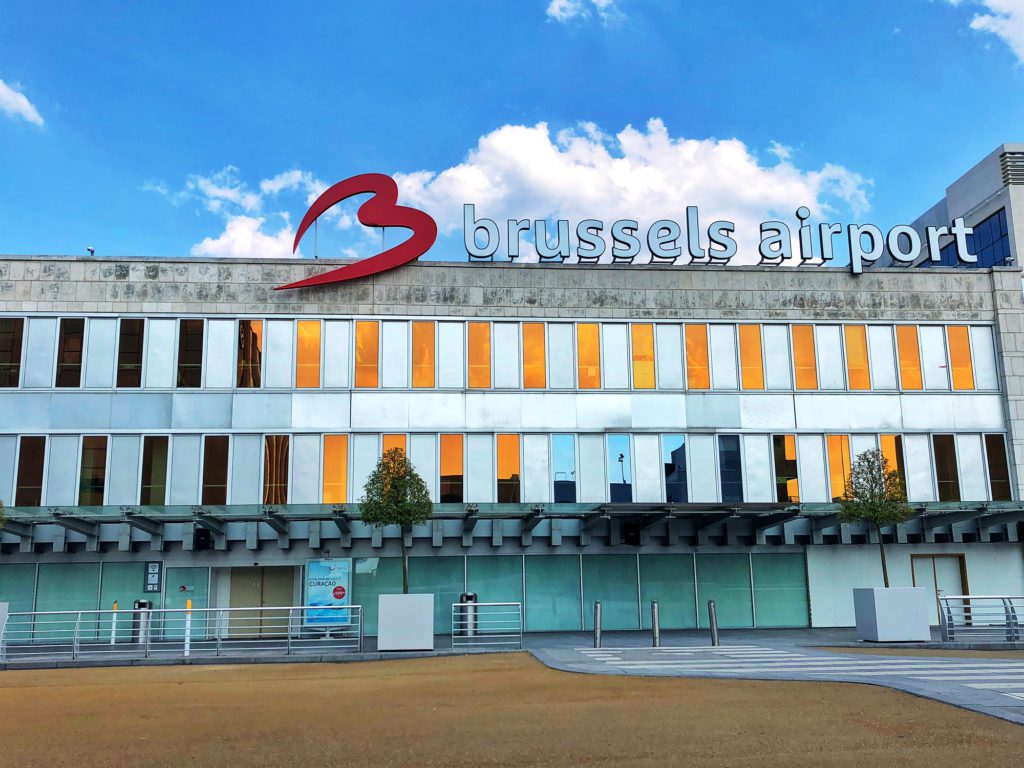
Brussels is a strong option when operators need hotel depth, airline connectivity, passenger services, or a more robust city base before or after the race. It is also more complex operationally than Liège.
Operators using Brussels should confirm:
- Airport slot availability where applicable
- Aircraft noise classification
- Weekend-night departure feasibility
- Parking availability
- PPR applicability
- Handler requirements
- Fuel and catering timing
- CIQ arrangements
Brussels can be a good operating choice, but the passenger schedule should not be built first and checked against airport feasibility later. Slot and noise restrictions can affect the exact arrival and departure windows available to an operator, particularly during late-night weekend periods.
Best use case: Operators prioritizing hotel availability, Brussels-based meetings, scheduled airline connections, or major-airport infrastructure.
Primary risk: Planning a late race-weekend departure without confirming slot, noise, and PPR feasibility.
Charleroi (EBCI)
Charleroi may be useful as a contingency, but it should not be treated as a direct substitute for Liège or Brussels without validation. Operators should confirm operating hours, business aviation handling, CIQ availability, fuel, parking, and road-transfer timing before using it in the plan.
Best use case: Backup planning when primary airports are constrained and the schedule fits the airport’s operating window.
Primary risk: Assuming it can solve a late-stage parking or schedule problem without checking the full mission profile.
Surface Transport and Circuit Access
Ground transport is one of the biggest planning risks for Spa-Francorchamps. The circuit is not in a major city, and event traffic can make passenger movement slower and less predictable than the map suggests.
Operators should avoid relying on rental cars for VIP movements. Pre-arranged chauffeured transport is preferred because drivers need event routing, staging instructions, pickup procedures, and realistic timing. This is especially important after qualifying and the race, when passenger movement can be delayed by traffic and circuit access controls.
The lack of a kiss-and-ride area during the event also matters. Drivers cannot simply approach the circuit, collect passengers, and depart the way they might at a city venue. Pickup planning should be coordinated in advance, and operators should build margin into any same-day departure.
Most Common Operational Mistakes
The most common mistake is treating the Belgian Grand Prix as a simple “fly to Liège” trip. Liège may be the right airport, but airport proximity is only one part of the operation. The aircraft, passengers, crew, hotels, catering, fuel, and ground transport all have to work together.
Another common mistake is assuming Brussels can support any late-night race-weekend departure. Brussels has real slot and noise restrictions, and the requested schedule must fit the airport’s operating environment.
A third mistake is waiting too long to secure crew hotels and ground transport. Passenger hotels often get attention first, but crew accommodation and driver availability can become equally difficult during Grand Prix week.
Finally, operators should not assume visible ramp space means usable aircraft parking. During high-demand events, stands may be reserved, restricted, or unavailable for the requested ground time. Parking must be confirmed through the appropriate airport or handling process.
What Causes Missions to Delay
Belgian Grand Prix missions usually delay when one planning element is treated as flexible when it is not.
A typical failure chain looks like this:
- Passengers want to leave shortly after the race
- Circuit traffic delays their arrival at the airport
- The aircraft has a narrow departure window
- Crew duty time is already tight
- Fuel or catering is delayed because of demand
- The confirmed departure plan slips
The issue is not one bad decision. It is the lack of margin across multiple connected constraints.
For race-day departures, operators should protect the departure first. Confirm aircraft parking, PPR feasibility, passenger pickup timing, crew duty, fuel, catering, and alternate departure options before finalizing the passenger itinerary.
Expert Perspective
“Spa-Francorchamps looks straightforward on a map because Liège is relatively close, but the airport is only one part of the plan. The real operational risk is assuming the aircraft, passengers, crew, hotels, and ground transport will all stay aligned once race-week traffic builds. For Belgian Grand Prix missions, operators should protect the departure first and work backward from confirmed parking, PPR feasibility, crew duty, and circuit-area transport.”
Christine Vamvakas, Universal Weather and Aviation
Conclusion
The Belgian Grand Prix is manageable for business aviation operators, but it should not be treated as a routine Belgium trip. Liège is usually the first airport to evaluate for proximity. Brussels may be the better choice when hotel depth and major-airport infrastructure matter more, but operators should confirm slot, noise, and PPR applicability before committing to the schedule. Charleroi can be considered as a backup only after its operational fit is confirmed.
Successful missions are built around confirmed parking, PPR feasibility, realistic ground transport, Brussels slot and noise feasibility when applicable, crew logistics, and enough margin to protect the departure after race-day traffic builds.