


F1 Hungarian Grand Prix 2026: Business Aviation Planning Guide
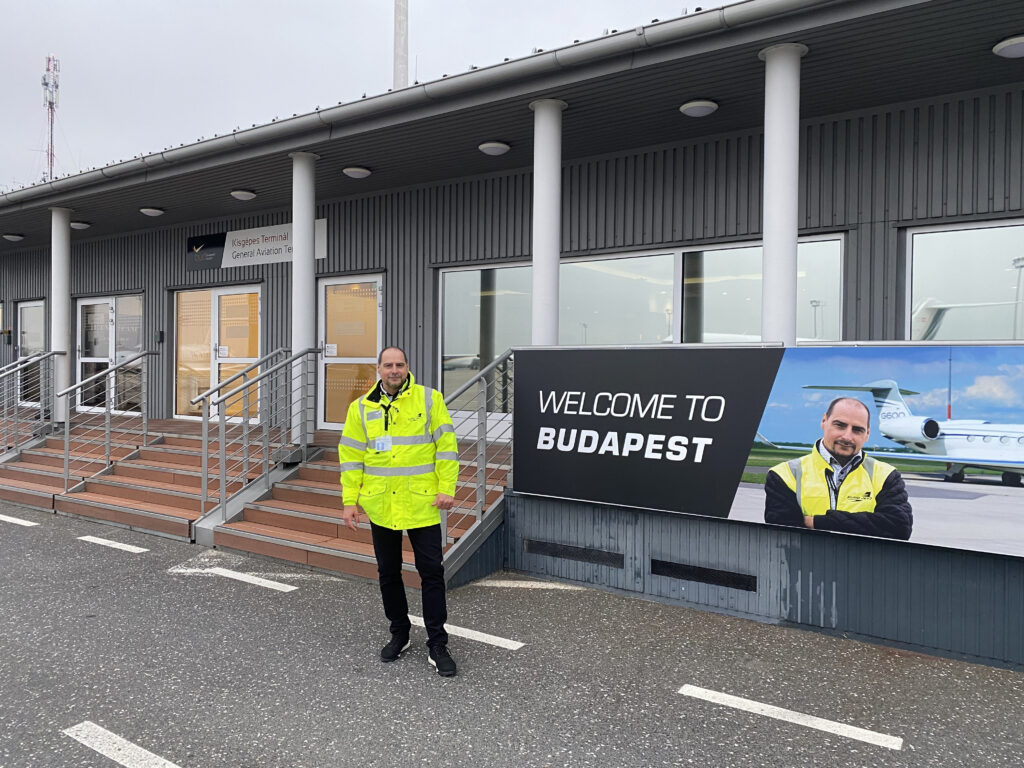
The 2026 Hungarian Grand Prix will take place July 24-26, 2026, at Hungaroring Circuit in Mogyoród, northeast of Budapest. For business aviation operators, the event will increase demand at Budapest Ferenc Liszt International Airport (LHBP), especially around qualifying on Saturday, July 25, and race day on Sunday, July 26.
LHBP is the primary airport for Grand Prix operations and offers strong general aviation support. The main planning challenge is not airport access itself. It is managing fuel timing, parking confirmation, crew logistics, hotel availability, and road transport during a compressed event window.
“The Hungarian Grand Prix is very manageable for business aviation operators, but the planning needs to start early. LHBP can support GA well, but fuel, parking, hotels, and transport all become more sensitive during race week.”
Peter Pazurek, Country Manager for Hungary, Euro Jet
Executive Summary
- The 2026 Hungarian Grand Prix takes place July 24-26, with qualifying on Saturday, July 25, and the race on Sunday, July 26.
- LHBP is the primary airport for business aviation operators attending the event.
- Airport slots and PPR are not typically required at LHBP, but flight plans, handling requests, and parking coordination should be submitted early.
- Overnight parking is generally available with prior approval, but operators should not treat long-stay parking as automatic during Grand Prix week.
- Fuel delays are possible because fuel trucks are not dedicated exclusively to general aviation.
- Operators should plan fuel on arrival or the day before departure instead of waiting until peak departure demand.
- Pre-arranged transport is strongly recommended due to road congestion and limited parking near the circuit and city center.
Key Planning Questions
What airport should operators use for the Hungarian Grand Prix?
Budapest Ferenc Liszt International Airport (LHBP) is the primary airport for business aviation operations to the Hungarian Grand Prix. It is the main airport serving Budapest and provides 24-hour customs, immigration, and quarantine support through the General Aviation Terminal.
Are slots or PPR required at LHBP?
Airport slots and PPR are not normally required at LHBP. However, operators should still submit flight plans and handling requests early, especially if parking, fuel, transport, or nighttime operations are part of the mission profile.
Is overnight parking available?
Overnight and extended parking are generally possible at LHBP with prior approval. Operators should secure parking early and avoid assuming aircraft parking will remain available without confirmation.
Can passengers clear CIQ on the aircraft?
No. Passengers are normally transported airside to the General Aviation Terminal, where immigration and customs procedures are completed. The process is usually efficient, but operators should still account for GAT routing in the passenger schedule.
When should fuel be arranged?
Fuel should be arranged on arrival or the day before departure when possible. During Grand Prix operations, uplift delays can increase due to higher traffic levels and concentrated departure demand.
Why the Hungarian Grand Prix Requires Extra Planning
Hungaroring Circuit is located in Mogyoród, approximately 20 kilometers northeast of central Budapest. The circuit’s proximity to Budapest makes LHBP the natural airport choice, but it also concentrates demand around the same airport, hotels, road routes, and ground transport providers.
The 2026 race weekend schedule is:
- Friday, July 24: Practice sessions
- Saturday, July 25: Practice and qualifying
- Sunday, July 26: Race
Hungaroring has been part of the Formula 1 calendar since 1986 and remains one of the sport’s longest-running race venues. The event draws international spectators, sponsors, teams, media, VIP guests, and private aviation traffic into Budapest over a short period.
For operators, normal airport procedures may still apply, but timing becomes more important. Fuel, transport, parking, hotels, and departure planning should be handled earlier than they would be for a routine Budapest trip.
Primary Airport – Budapest Ferenc Liszt International Airport (LHBP)
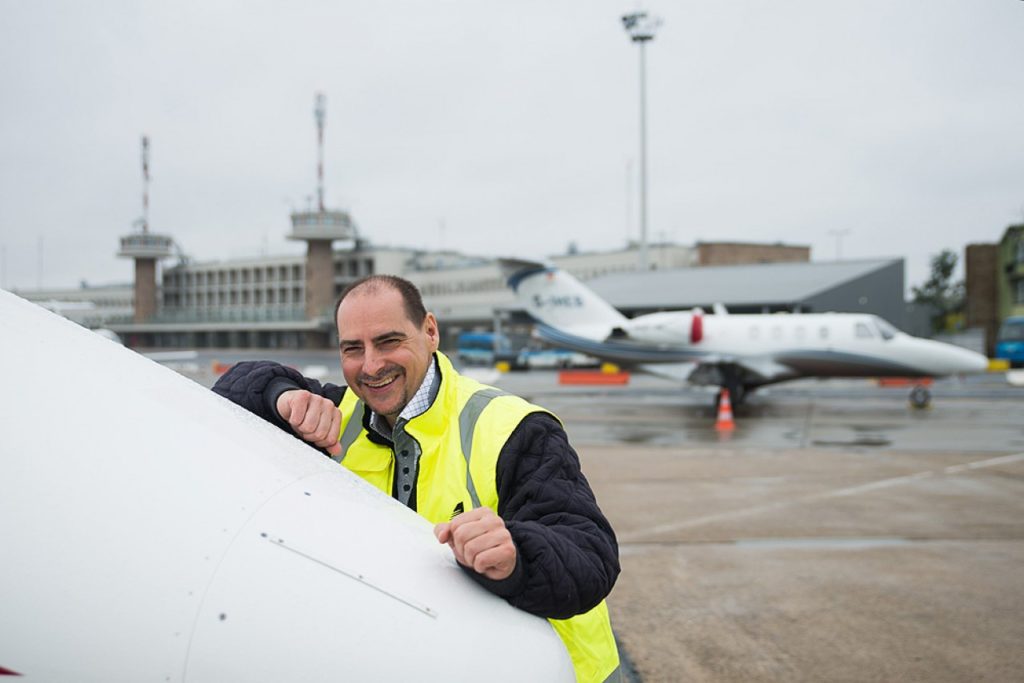
Budapest Ferenc Liszt International Airport (LHBP) is the preferred airport for Hungarian Grand Prix operations. The airport is approximately 10 miles from downtown Budapest and approximately 21 miles from Hungaroring Circuit.
Normal drive time is approximately 30 minutes to central Budapest and 30-45 minutes to the circuit. During Grand Prix week, operators should expect longer transfer times, especially near the circuit, city center hospitality areas, and airport departure periods after the race.
LHBP is an airport of entry with 24-hour customs, immigration, and quarantine availability. A General Aviation Terminal is available, along with full ground handling support, credit arrangements, and standard GA services.
Operating Hours and Night Restrictions
LHBP operates 24 hours, but nighttime movements are restricted. Operators planning late-night or early-morning arrivals or departures should confirm applicable restrictions, quota availability, and any required approvals in advance.
Night operations may also be subject to additional fees based on aircraft noise certification. Exceptions may be possible in limited circumstances, but they should not be treated as guaranteed.
The planning takeaway: avoid building the schedule around a restricted nighttime movement unless it has already been reviewed and confirmed.
Slots, PPR, and Handling Requests
Airport slots and PPR are not normally required at LHBP, but that does not mean operators should treat the airport as unconstrained during Grand Prix week.
Flight plans and handling requests should be submitted early. Handler coordination is especially important for arrival and departure timing, parking confirmation, passenger routing through the GAT, fuel uplift timing, crew transport, hotel coordination, and any nighttime movement request.
During high-traffic events, the issue is often not whether the airport can support the operation. The issue is whether each service can be delivered at the requested time without delay.
CIQ at LHBP

Passengers do not normally clear customs and immigration on the aircraft at LHBP. Instead, passengers are picked up airside and transported to the General Aviation Terminal.
At the GAT, dedicated immigration and customs services are available 24/7. Passport checks are completed when required. For Schengen-to-Schengen movements, immigration checks may not apply in the same way they do for non-Schengen arrivals or departures.
Baggage is collected and transported by the handler to the GAT, then delivered directly to the passenger vehicle in front of the terminal. The process is typically quick, but operators should still include GAT routing in the schedule.
Parking Reality at LHBP
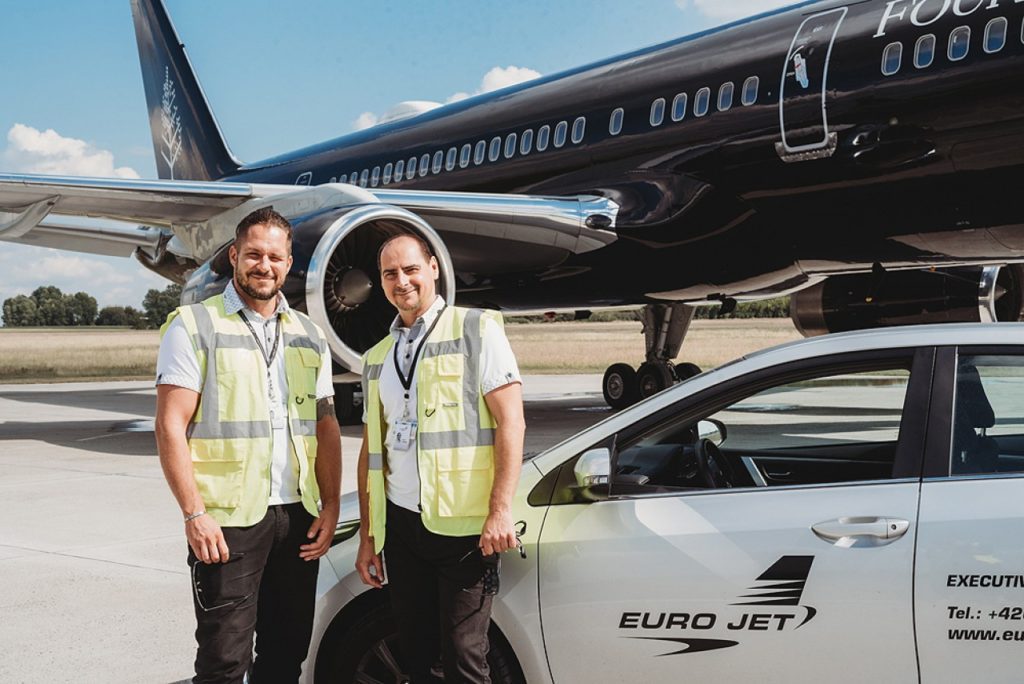
LHBP typically supports extended general aviation parking when prior approval has been obtained. Parking is usually more workable than at many constrained European airports, but Grand Prix week is not a normal operating period.
Operators should confirm parking early and avoid assuming approval is automatic. If the aircraft will remain parked through race weekend, parking should be included in the initial planning request.
Hangar accommodation is generally not available for transient general aviation operations. Operators requiring hangar space should raise that requirement early and plan for the possibility that it will not be available.
Approximately half of the general aviation stands at LHBP may require pushback. Ground handlers have the necessary equipment, and operators generally do not need to bring tow bars or chocks.
Crew should also be prepared for ramp safety enforcement. High-visibility vests are required on the ramp, and follow-me personnel may monitor compliance.
“Operators should not wait until the last minute to confirm parking. LHBP usually works well for GA, but during Grand Prix week we need the full picture early, including arrival time, departure time, aircraft type, parking duration, and any special requirements.”
Pazurek said.
Fuel Uplift Strategy
Fuel uplift timing is one of the most important planning items during the Hungarian Grand Prix period.
There are no fuel trucks dedicated exclusively to general aviation at LHBP. During normal periods, fuel delays may be limited, but during the Grand Prix, uplift delays can increase because traffic volume and departure demand rise at the same time.
Typical fuel uplift delays may be around 30 minutes, but during the event period operators should plan for possible delays of one to two hours.
Operators should avoid scheduling fuel immediately before a peak departure window. Better options include fueling on arrival, fueling the day before departure, departing a few days after the race weekend, or building additional ground time into the departure plan.
The most avoidable mistake is treating fuel as a routine departure-day item. During Grand Prix week, fuel should be part of the operating strategy.
Most Common Operational Mistakes
The race schedule is predictable. The operational problems usually come from late requests, tight schedules, and assumptions based on normal traffic patterns.
Common mistakes include:
- Assuming “no slots or PPR” means the operation is unconstrained
- Treating fuel as a departure-day task
- Assuming normal road transfer times will hold on qualifying or race day
- Treating parking as confirmed before written approval is received
- Planning nighttime movements without confirming restrictions
- Relying on rental cars for crew or passenger movement to the circuit
- Waiting too long to secure crew hotel rooms
- Underestimating post-race departure congestion
What Causes Missions to Delay
Missions to the Hungarian Grand Prix usually become difficult when several small timing issues stack up.
A typical disruption pattern looks like this: the aircraft is scheduled to depart shortly after the race, fuel is requested close to departure, several other operators are doing the same, road transport is slowed by post-race traffic, and crew duty time or passenger timing becomes tighter.
The best mitigation is to remove pressure from the departure-day plan. Arrange fuel early, confirm transport, allow more time for road movement, and avoid building the schedule around best-case timing.
Hotels and Crew Accommodation
Hotel demand increases across Budapest during the Hungarian Grand Prix, especially near the city center and race-related hospitality areas.
Four-star crew accommodation may be available, but pricing is typically higher than normal and cancellation policies may be more restrictive. Rates can increase as the event approaches, especially for hotels with convenient access to the city center, airport, or race-related venues.
Operators should confirm room availability, cancellation terms, crew transport times, distance to LHBP, distance to the race circuit or passenger venue, and support for late arrivals or early departures.
The best hotel may not be the closest hotel. For crew, airport access and predictable transfer times may matter more than proximity to the circuit.
Local Transport
Pre-paid transport with a driver is recommended during the Hungarian Grand Prix period.
Rental vehicles are not recommended for most crew and passenger movements because parking is difficult near the city center, hospitality venues, and race circuit. Road congestion can also make navigation unpredictable for crews unfamiliar with local traffic patterns.
For passenger movements, car-with-driver arrangements should be secured early and reconfirmed before race weekend.
Helicopter transfers may be considered between the airport and racetrack, but availability is limited and demand is high. Helicopter options between the city center and racetrack may not be available. Operators considering helicopter transfers should request them as early as possible and confirm routing, timing, baggage limits, and passenger movement procedures.
“Ground transport is one of the details operators sometimes underestimate. The airport is close enough to the city and the circuit that the trip looks simple, but Grand Prix traffic can change the timing quickly, especially on qualifying and race days.”
Pazurek said.
Contingency Planning
LHBP is the preferred airport for Hungarian Grand Prix operations, and alternate airport planning is usually not the first concern for Budapest missions. Still, operators with tight departure requirements, limited schedule flexibility, or late parking requests should discuss contingency options with their handler early.
The most important contingency is not always a different airport. In many cases, it is a more flexible schedule, earlier fuel uplift, confirmed transport, and a realistic departure timeline after the race.
Conclusion
The Hungarian Grand Prix is a manageable operation for business aviation, but it should not be treated like a routine Budapest trip.
LHBP provides strong general aviation support, 24-hour CIQ availability, and generally workable parking conditions with prior approval. The main risks are event-driven: fuel timing, road congestion, hotel demand, transport availability, and late changes during a compressed race weekend.
Operators that plan fuel early, confirm parking, secure transport, and allow extra time for post-race departures will be in the best position to avoid delays.
Euro Jet Budapest is available to support operators traveling to the Hungarian Grand Prix, including handling coordination, parking requests, fuel planning, crew logistics, transport, and other operational requirements.